Retail flooring contractor
Retail
Decorative, durable flooring systems for stores, showrooms, mixed-use retail, and customer-facing interiors.

We use analytics cookies to understand site performance and improve your experience. You can accept or decline analytics cookies. Learn more in our privacy policy.
Industry flooring systems
Commercial flooring guidance built around how the space operates, what the substrate needs, and which suppliers best fit the finished system.
Use these industry pages to connect operating conditions with the right commercial epoxy flooring systems, polished concrete services, tile and stone installation, and self-leveling overlay solutions, then review matching project examples.
Where We Work
Different spaces demand different floor systems. Retail, healthcare, industrial, pharmaceutical, and hospitality projects all have their own traffic patterns, cleaning protocols, finish expectations, and schedule pressures. We build each flooring recommendation around those realities instead of forcing one generic solution across every environment.
Explore the industries below to see how Showcase Finishing Systems approaches system selection, supplier recommendations, and related services for each project type.

Retail flooring contractor
Decorative, durable flooring systems for stores, showrooms, mixed-use retail, and customer-facing interiors.


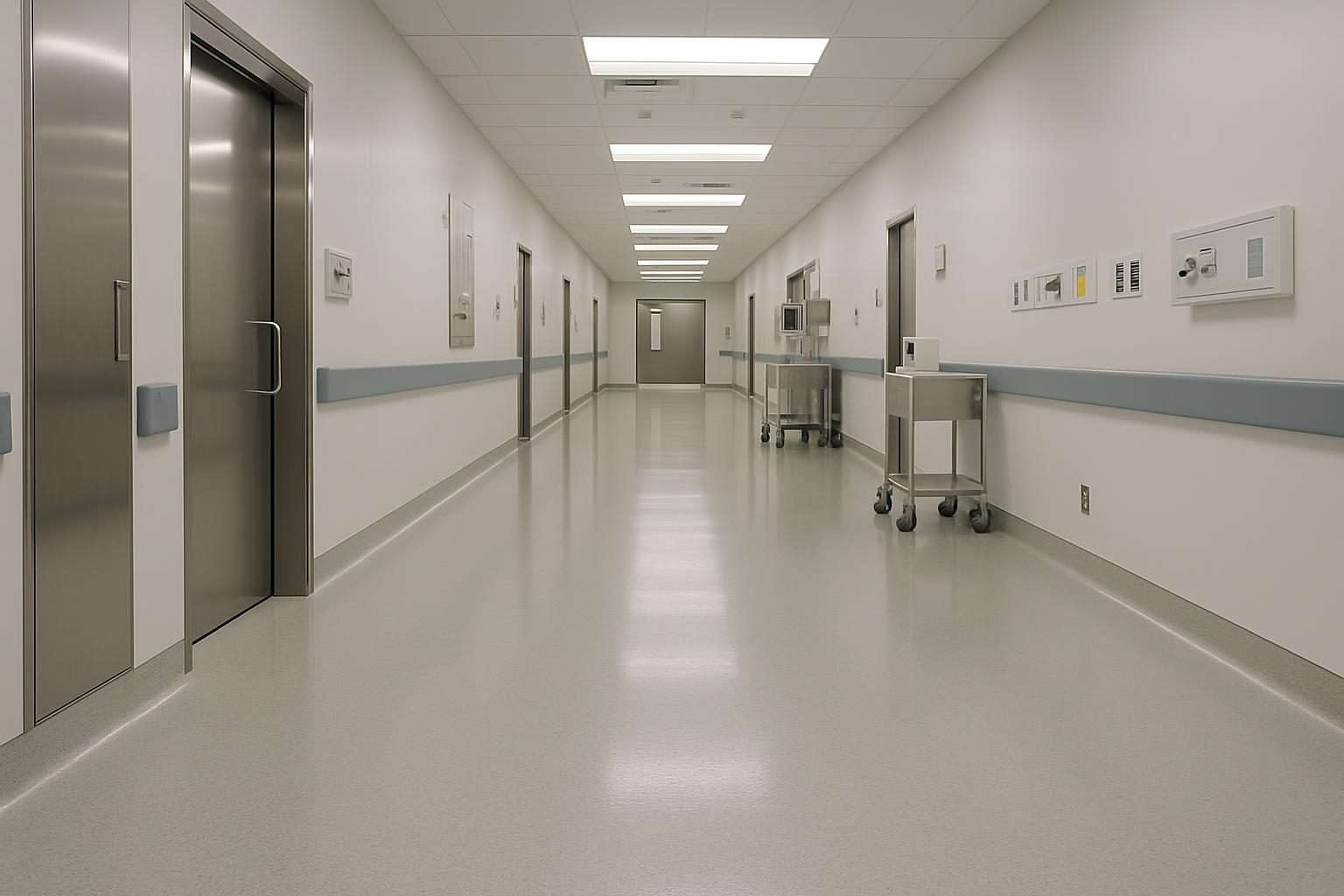
Healthcare flooring contractor
Cleanable, resilient flooring systems for healthcare corridors, treatment spaces, support zones, and occupied facilities.
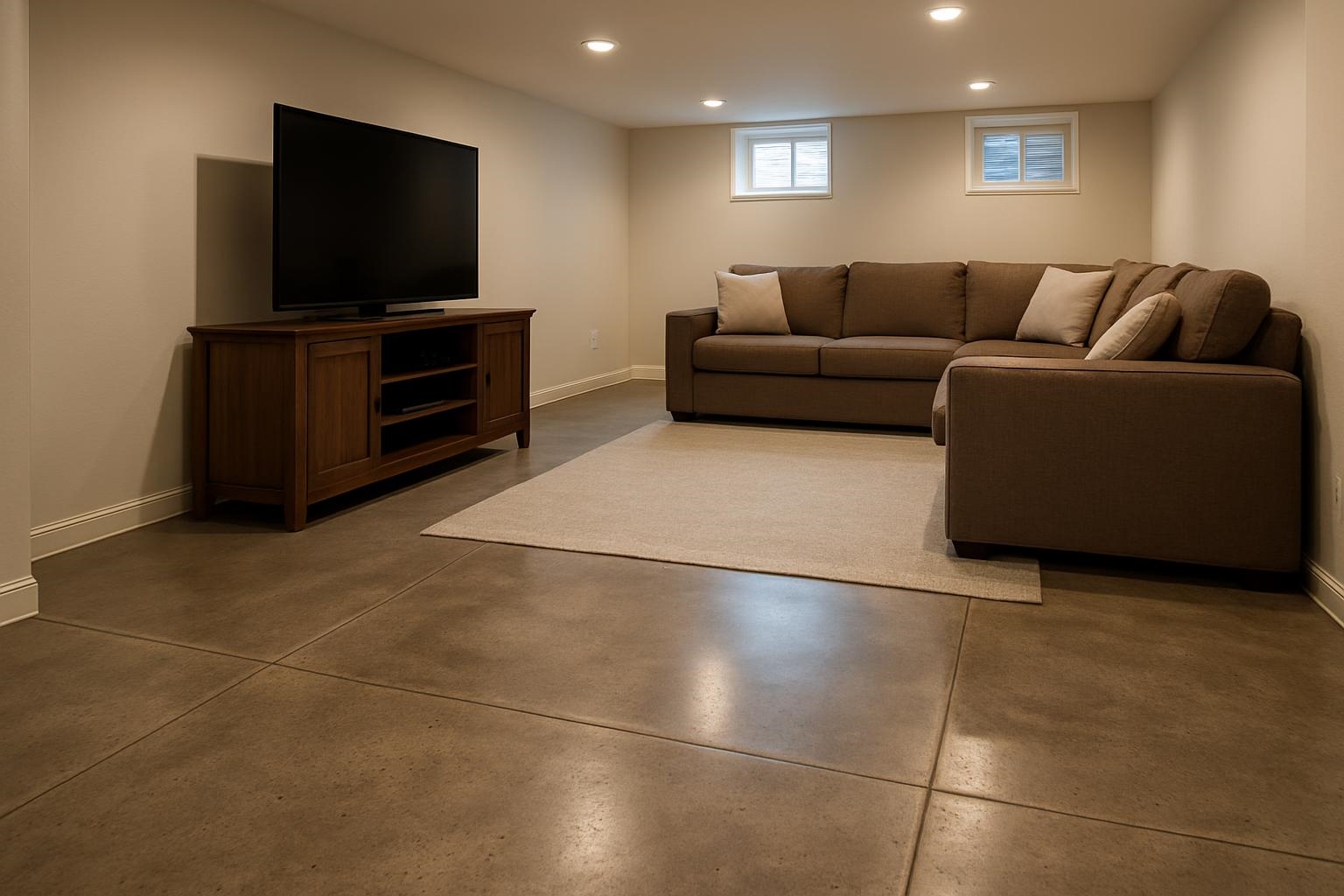
Residential flooring contractor
Decorative epoxy, polished overlays, tile, and performance flooring for garages, basements, and refined residential interiors.

Commercial flooring contractor
Enterprise-ready flooring systems for offices, education, hospitality, public spaces, and high-traffic commercial environments.
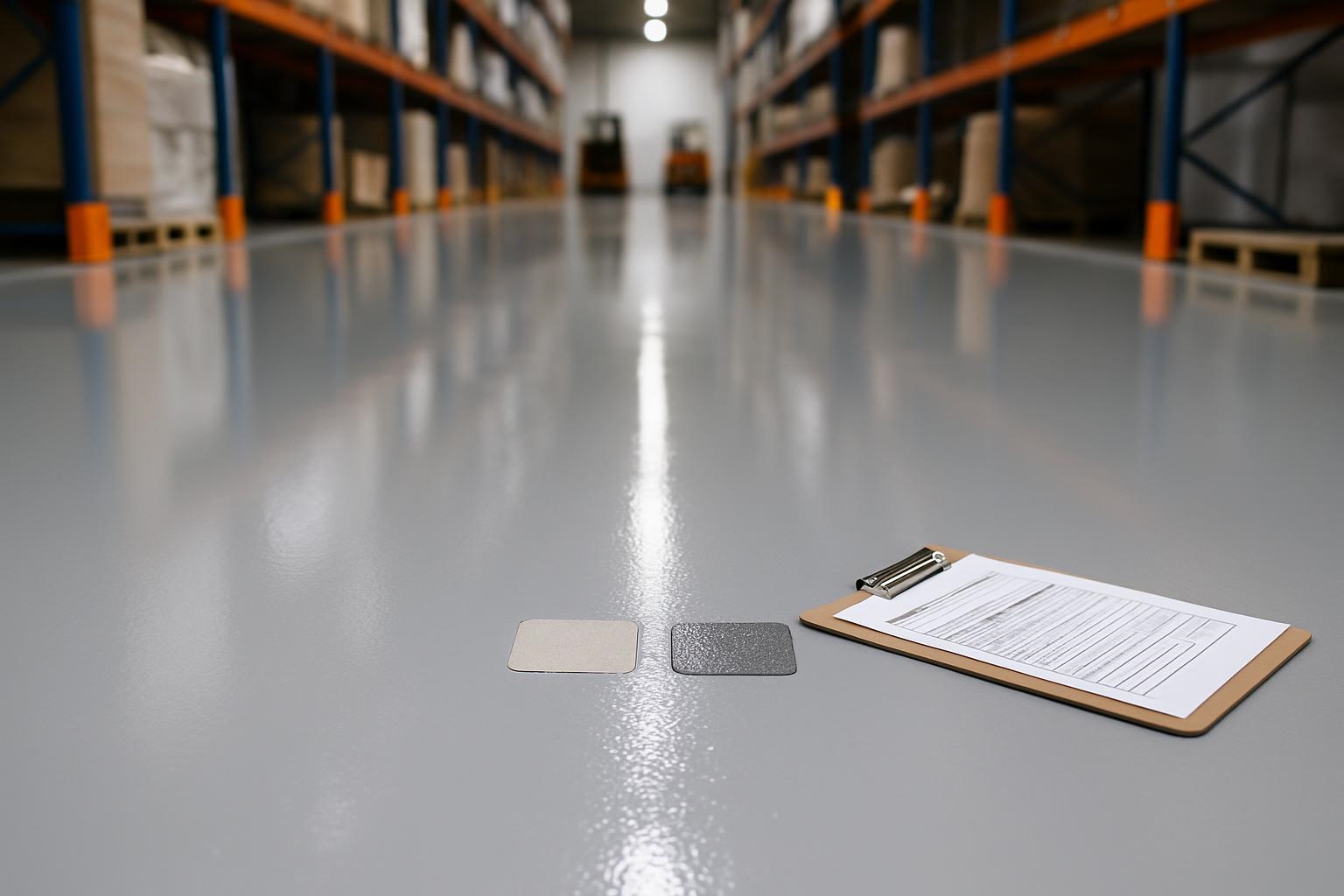
Industrial flooring contractor
Heavy-duty flooring systems for production, warehouse, logistics, maintenance, and manufacturing environments.
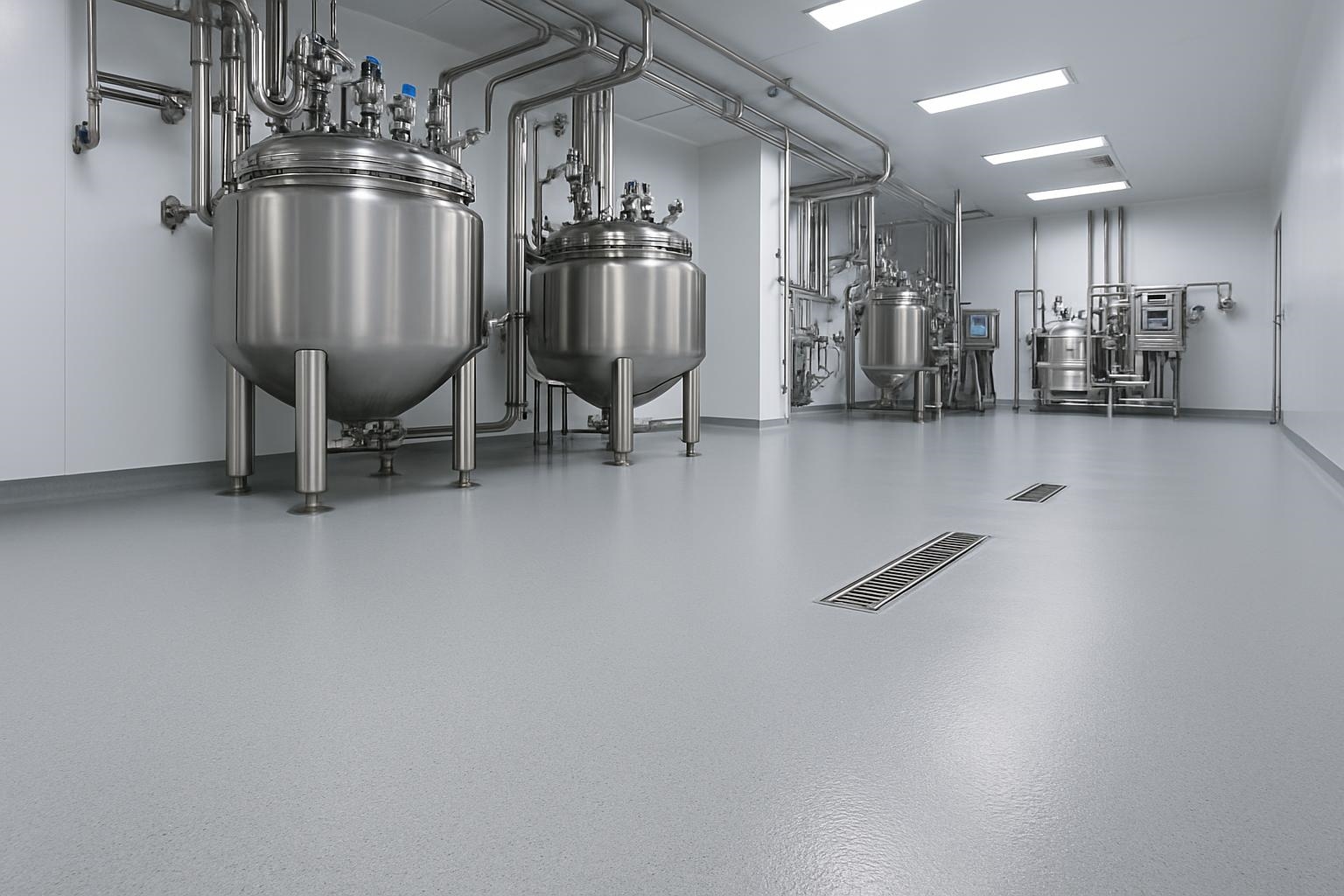
Pharmaceutical flooring contractor
Seamless flooring systems for regulated manufacturing, cleanable process areas, support spaces, and controlled production environments.
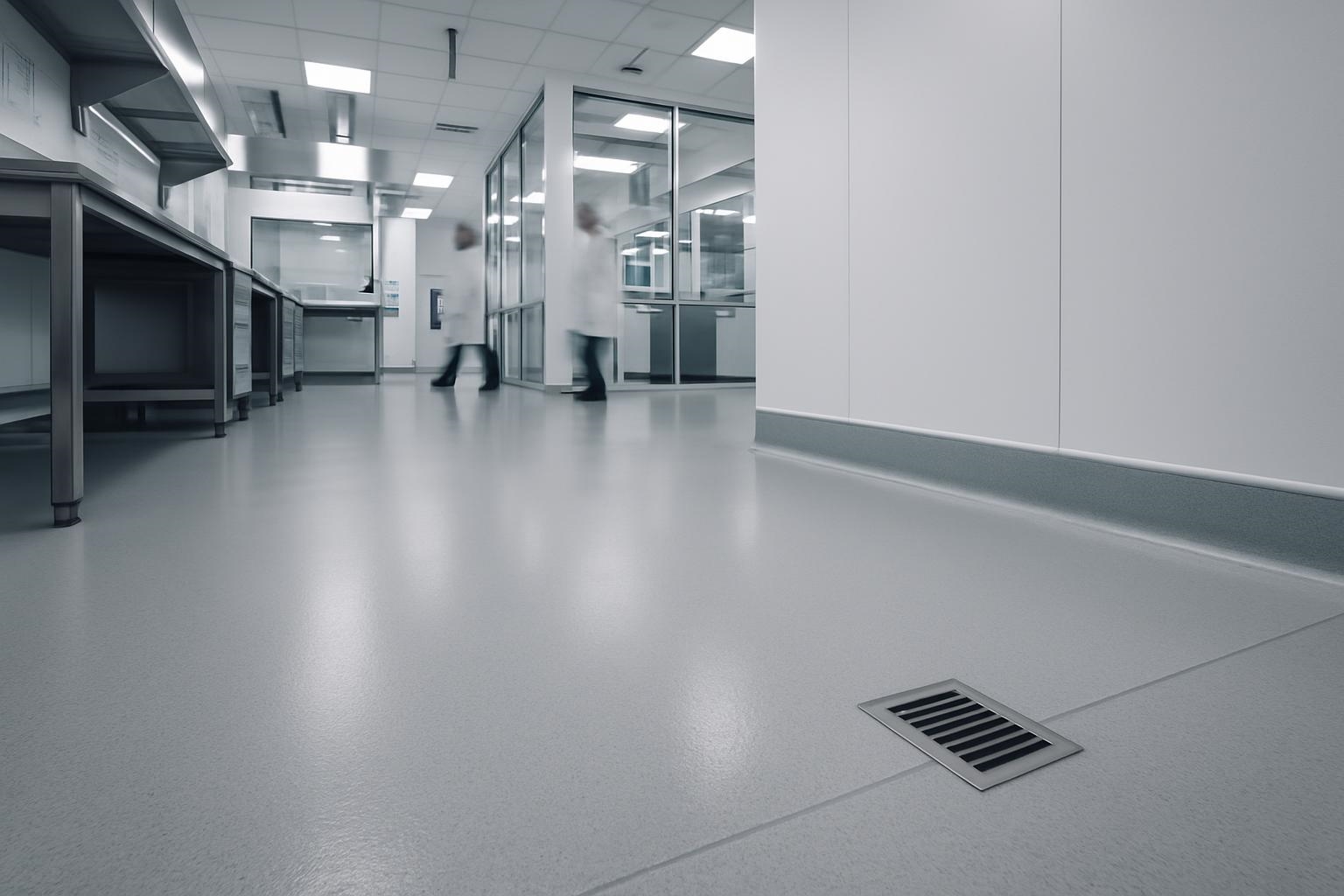
Life sciences flooring contractor
Flooring systems for research, lab support, technical corridors, and high-cleanability life sciences facilities.
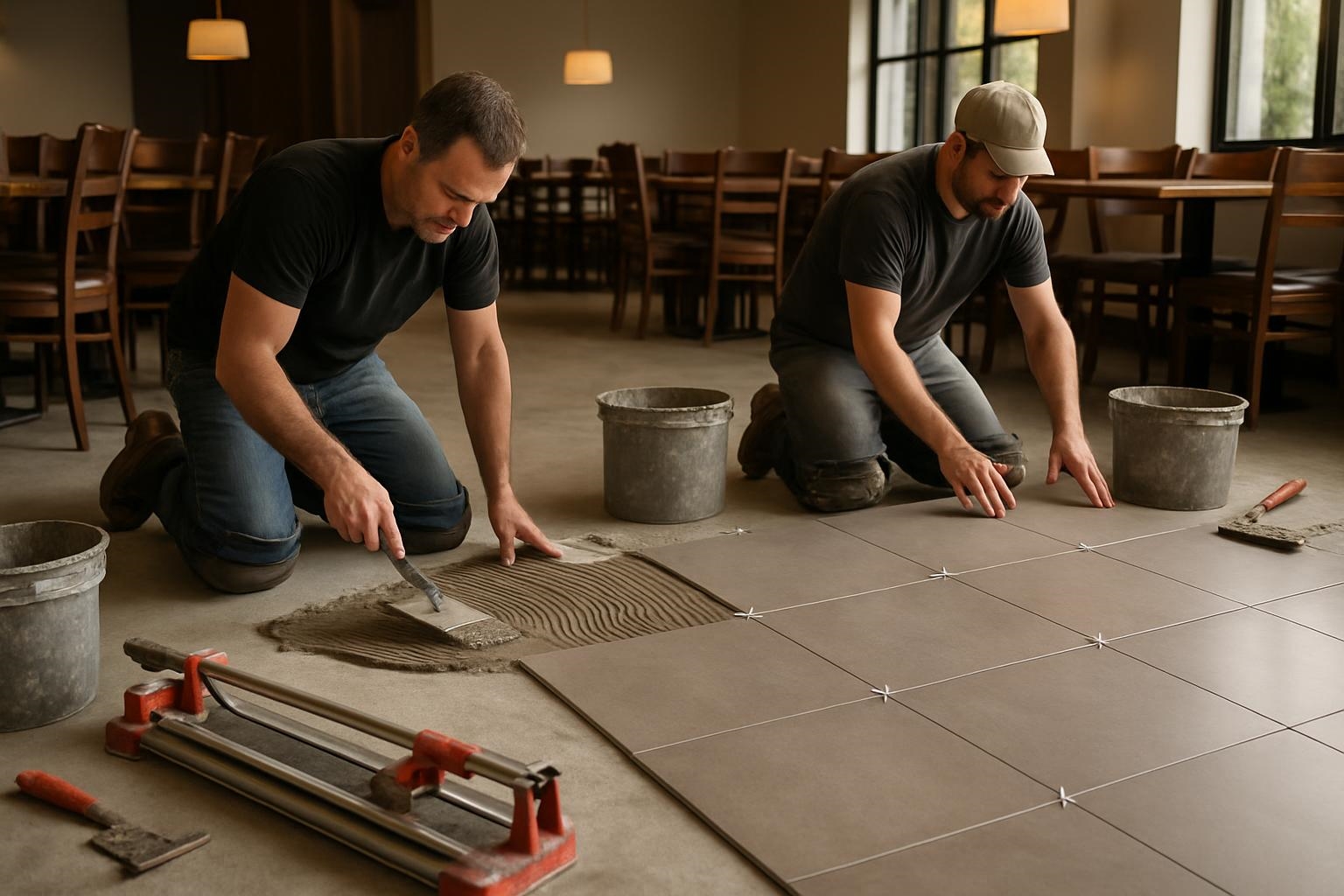
Restaurant flooring contractor
Slip-conscious, durable flooring systems for restaurant kitchens, dining rooms, service corridors, and hospitality environments.
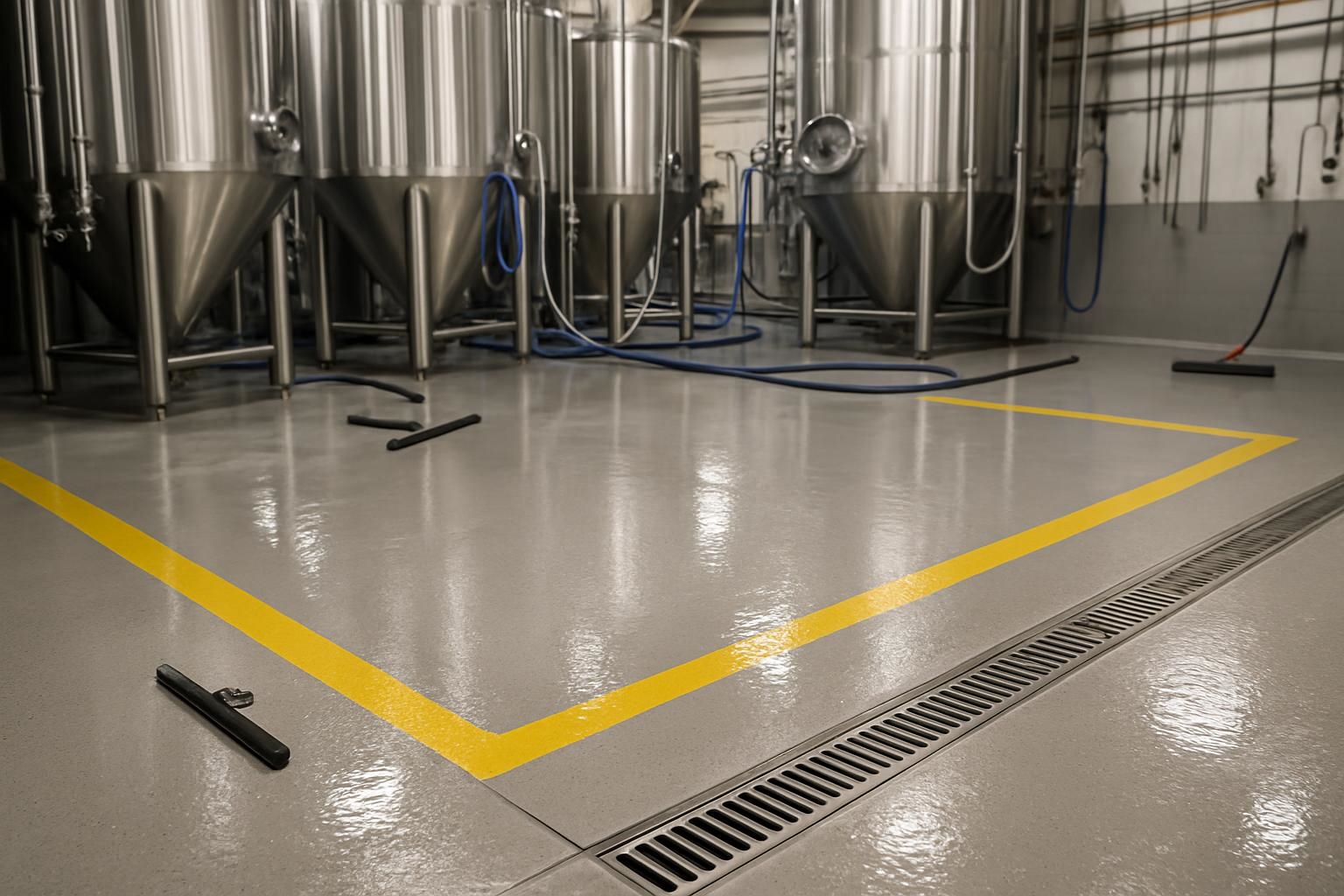
Brewery flooring contractor
Flooring systems for brewery production, washdown areas, service corridors, tasting rooms, and beverage facilities.
Frequently Asked Questions
Because building type usually reveals the important performance pressures first. Once you know what the environment demands, it becomes much easier to compare the right service pages without wasting time on weak-fit options.
Different industries have different traffic, cleaning, moisture, finish, safety, and scheduling demands, so the best flooring path changes with the way the space operates.
The current industry coverage includes retail, healthcare, residential, commercial, industrial, pharmaceutical, life sciences, restaurants, and breweries.
They connect building-type needs back to the most relevant service offerings so the site stays useful instead of ending at broad generic descriptions.
If you know the material path, start with services. If you know the building type but not the right floor system, start with industries.
No. Industry pages answer the question, "What usually matters in this type of building?" The related service pages answer the follow-up question, "Which flooring system best handles those conditions?"
Yes. They help teams rule out the wrong system early by identifying the performance demands that usually drive cost, such as washdowns, heavy traffic, public-facing finish quality, substrate repairs, or occupancy constraints.
Because building type alone does not choose the floor. A visitor still needs to compare the actual system path, whether that means epoxy, polished concrete, tile, overlays, or athletic flooring.
They frame the discussion around the realities of the space, including sanitation, traction, moisture, appearance, turnover pressure, and maintenance, instead of forcing every project into one generic recommendation.
That is common. Review the closest industry page first, then compare the related service pages to narrow the right system.
Yes. The pages help frame early discussions around material fit, maintenance demands, and operational use.
Yes. Material recommendation sections help reinforce which suppliers and system families tend to fit certain environments.
The logos help communicate that the recommendations are tied to established material partners rather than generic unnamed products.
Yes. They are written to support owners, facility managers, architects, and contractors evaluating how flooring choices affect real operations.
Yes. They often clarify whether restoration, overlay work, polished concrete, tile, or seamless systems may be more appropriate in a given environment.
Usually the next move is to open one of the related service pages, then look at project examples if you want visual proof of how that system looks in the field.
Open the service page that feels closest to your building conditions and compare it against the way your space actually operates. Once you review the industry fit and the system details together, the right direction is usually much clearer.
No. The site is intentionally structured to show how flooring solutions change across many environments and use cases.
Yes. That comparison path is one of the main reasons the industry and service sections are linked so tightly.
Use the related service links, review a few project examples, and then call with the building type, substrate condition, schedule, and finish goal.