
Showcase Finishing Systems logo
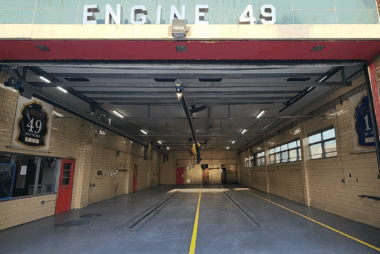
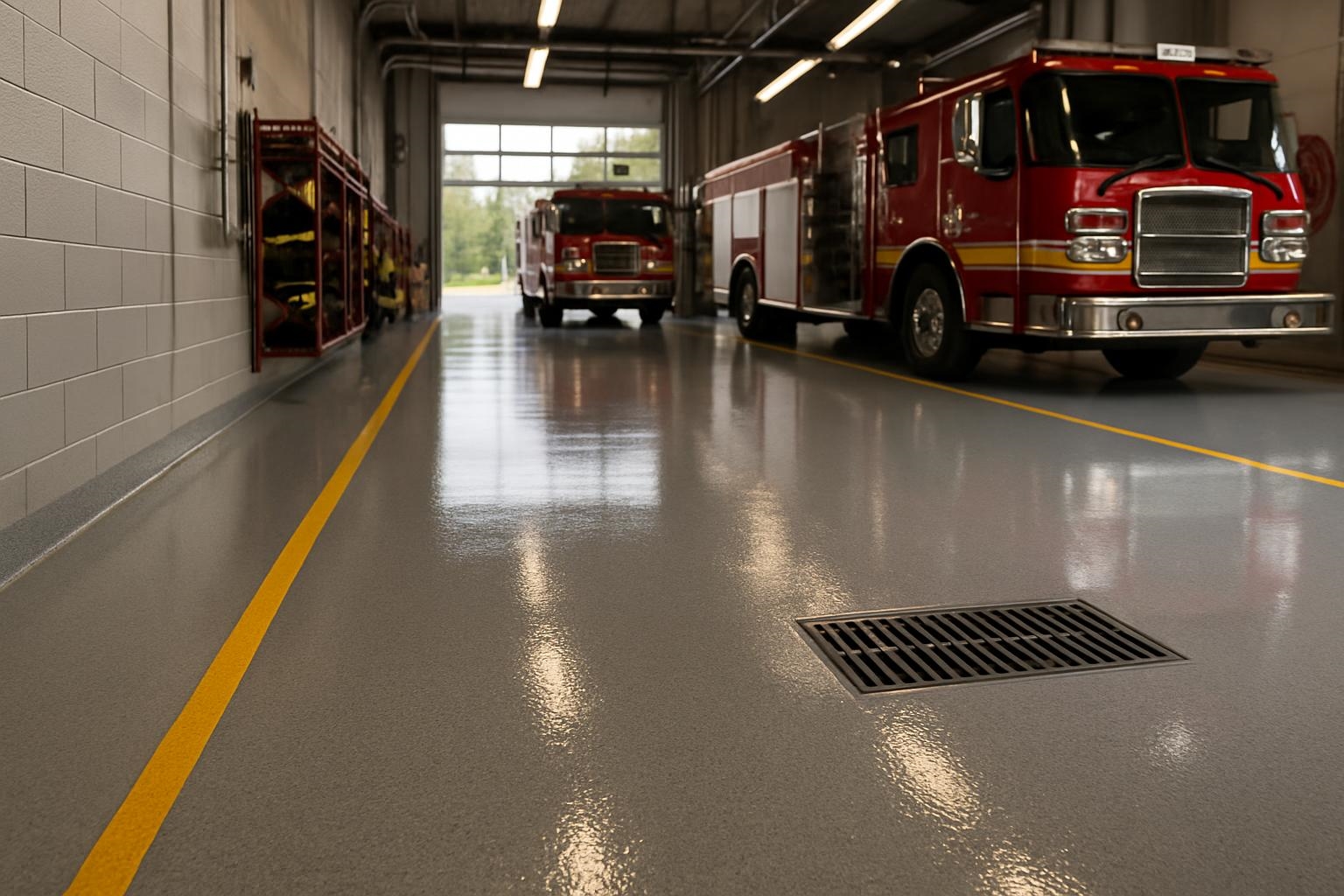
Epoxy floor in fire station bay

Showcase Finishing Systems

Commercial Flooring ProjectsInstalled Work Across Real Operating Environments

Commercial flooring projects showing how system selection, finish execution, and site coordination come together in the field.

Review these installations alongside our commercial flooring services and industry flooring systems to compare where resinous flooring, polished concrete, and tile and stone systems fit best. Several featured projects also show how commercial tile installation and finish detailing perform in real operating environments.
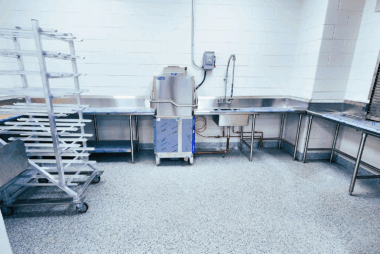
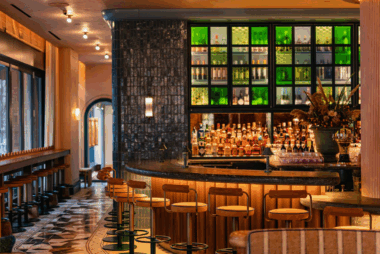
Featured Flooring Projects

Recent installed work across hospitality, institutional, commercial, and specialty environments.

Frequently Asked Questions About Our Flooring Portfolio

What should I look for first when reviewing flooring project examples?

Start with the building type, traffic level, cleaning demands, substrate condition, and whether the finish needs to solve a performance problem, a visual problem, or both.

How can a portfolio photo help me choose between epoxy, polished concrete, tile, or overlays?

Photos show appearance, but the system choice should be confirmed against use conditions such as moisture, impact, chemicals, slip resistance, maintenance expectations, and available shutdown time.

Can the same floor finish be used in a different type of building?

Sometimes, but the specification may need to change. A restaurant, school, warehouse, and healthcare space can all need different texture, thickness, chemistry, or maintenance planning even if the desired look is similar.

What information should I gather after finding a project that looks similar to mine?

Record the approximate square footage, existing floor material, age of the slab, visible damage, moisture concerns, required colors or finish level, and any schedule constraints.

Do project photos show the full installation scope?

Not always. A finished photo may not show substrate repair, moisture mitigation, crack treatment, slope correction, cove base, transitions, or the preparation work that made the final floor possible.

How do I know whether a project example is mainly decorative or performance-driven?

Decorative projects focus heavily on appearance and brand fit, while performance-driven projects are usually selected around cleaning, impact resistance, chemical exposure, traffic, moisture, and safety requirements.

What should I ask if I like a polished concrete or polished overlay project?

Ask whether your existing slab can be polished, whether an overlay is needed, what aggregate exposure is realistic, and what gloss level, guard, or maintenance plan is appropriate.

What should I ask if I like an epoxy or resinous flooring project?

Ask about substrate preparation, system thickness, broadcast texture, chemical resistance, slip resistance, topcoat selection, cure time, odor limits, and how the space will be cleaned.

What should I ask if I like a tile or stone project?

Ask about substrate flatness, waterproofing, movement joints, grout selection, transitions, slip resistance, layout tolerances, and long-term maintenance expectations.

Can project examples help with budget planning?

Yes. They help narrow system families and finish expectations, but a real budget still depends on surface preparation, access, phasing, moisture, square footage, and required detail work.

Why might two similar-looking floors have different costs?

Cost can change because of slab condition, demolition, moisture mitigation, repairs, product system, thickness, texture, topcoat chemistry, detail work, and how quickly the space must return to service.

How should I compare restaurant, retail, school, and industrial project examples?

Compare how the floor supports the activity in that environment, including cleaning routines, public appearance, staff safety, equipment loads, and whether the space can tolerate downtime.

Can Showcase Finishing match an exact project from the portfolio?

The team can use a project as a design and performance reference, then adjust the system to match your substrate, use conditions, timing, and maintenance plan.

What role do supplier products play in the finished project?

Supplier systems affect working time, cure schedule, appearance, chemical resistance, polishability, waterproofing, texture, and long-term maintenance, so product selection matters.

Should I choose a floor based on appearance alone?

No. Appearance is important, but the floor also has to handle traffic, cleaning, moisture, slip resistance, maintenance, and the way the space actually operates.

How do project examples help architects and general contractors?

They provide visual references for scope discussions, help identify likely system families, and make it easier to coordinate details before pricing or specification review.

Can a project example reveal hidden risks in my own floor?

Yes. Similar environments often raise similar questions about moisture, slab condition, transitions, floor drains, traffic, chemical exposure, and shutdown planning.

What should I do if my space combines multiple flooring needs?

Identify each zone separately. A project may need epoxy in service areas, tile in public areas, polished concrete in open spaces, and different transitions between them.

When should I involve Showcase Finishing in planning?

Bring the team in before final material selection when possible, especially if the project involves moisture, renovation phasing, active operations, specialty finishes, or multiple trades.

What is the best next step after choosing relevant project examples?

Contact Showcase Finishing with the examples, your building type, floor condition, square footage, schedule, and performance goals so the discussion can move from inspiration into scope.