
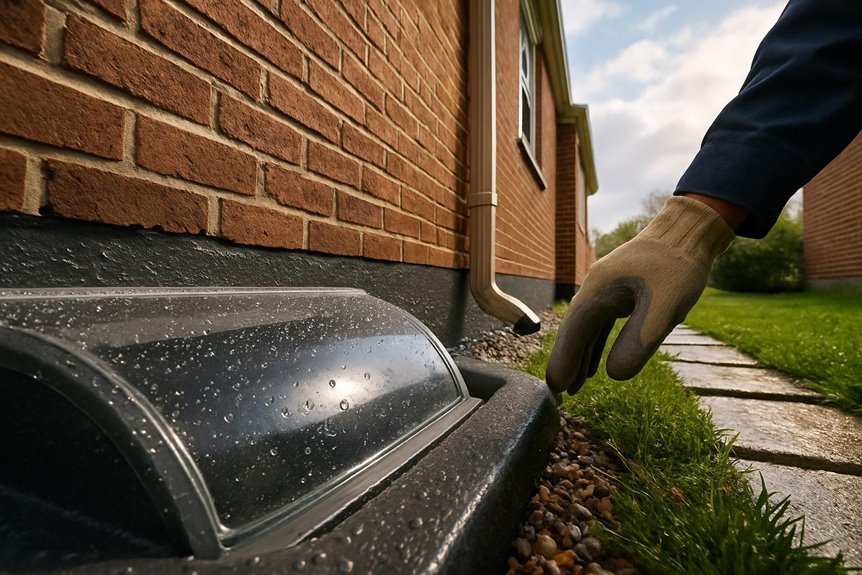
Top Benefits of Waterproofing Systems for Homes in Allentown PA is really a conversation about fit. Most people come into this decision thinking about the finish they can see. The better question is what the floor has to live through once the job is complete. In Allentown, PA, the right answer is often shaped by the age of the building, the condition of the existing slab, and how much disruption the project can realistically tolerate.
For homeowners, designers, and residential renovation teams, the project usually turns on daily wear, cleaning habits, moisture exposure, comfort, finish appearance, and long-term upkeep. That is true whether the floor is going into homes, basements, kitchens, baths, entries, and other lived-in spaces or a more specialized environment. The finish has to make sense on day one, but it also has to keep making sense after traffic, cleaning, moisture, and normal use start working against it.
A lot of expensive flooring mistakes start with a rushed assumption. The better process is to evaluate the surface honestly, compare the right systems, and only then talk about scope and pricing. This article keeps the focus on Allentown, PA, but the same decision framework applies across the kind of work Showcase Finishing Systems handles throughout the region.
Why This Topic Matters In Allentown, PA
Allentown, PA is not one-size-fits-all. Some projects are clean, finish-driven upgrades. Others are older spaces with patched concrete, moisture history, uneven substrates, or rooms that need to stay partly operational while the work moves forward. That difference matters because a floor that works beautifully in a clean new build can become a headache when it is dropped into the wrong renovation context without enough prep.
That is especially true in home upgrades, remodels, occupied residential work, and finish-driven renovations. In those settings, the flooring conversation is never only about style or unit cost. It is also about sequencing, access, downtime, and how much correction has to happen before the finish can do its job. When people say they want the best option, what they usually mean is they want the option that feels dependable, looks intentional, and does not create a maintenance problem a year from now.
The Questions Worth Answering Before You Choose A System
If this topic is on your radar, the fastest way to improve the decision is to slow down long enough to answer the right questions. Most weak specifications come from skipping that step and jumping straight to product names. The stronger approach is to confirm what the room really needs and what the existing surface can actually support.
- Where water is actually getting introduced and whether the assembly is being designed to handle that specific exposure.
- How stable the substrate is and whether movement, cracking, or moisture history need to be corrected first.
- Which finish materials, mortars, grouts, sealants, and transitions need to work together once the membrane is in place.
- How realistic the sequencing, cure time, and inspection process will be before the room is closed up.
Once those questions are answered honestly, the path usually gets clearer. In some cases that points directly to commercial tile and stone installation. In other cases, the smarter move is to compare it against commercial epoxy flooring systems or self-leveling polished overlay systems before anyone starts narrowing scope.
How The Main Flooring Options Compare
The point of comparison is not to crown one system as universally better. It is to understand what each one does well and where it starts asking the owner for compromises. Waterproofing conversations often lead into tile and stone, resinous wet-area finishes, or overlay-based repairs depending on whether the goal is a traditional assembly, a seamless finish, or recovery of a damaged substrate.
Tile & Stone Installation is usually the first place to look for this topic because it aligns most closely with wet-area detailing, membrane selection, movement accommodation, substrate prep, and finish compatibility. But the comparison should not stop there. Epoxy Resinous Flooring may be the better path when the slab condition changes the prep equation, while Self-Leveling Polished Overlays can make more sense when the finish needs to solve a different ownership problem.
That side-by-side view is valuable because it turns a vague search into a real project conversation. It helps owners decide whether they are paying for durability, water management, visual control, easier maintenance, or a better recovery path for an existing slab. Those are much more useful comparisons than simply asking which floor is cheapest per square foot on paper.
Tile & Stone Installation
Tile and stone work that depends on prep quality, waterproofing, layout control, and long-term detailing.
Epoxy Resinous Flooring
Seamless resinous systems built around durability, cleanability, traction control, and long-term wear.
Self-Leveling Polished Overlays
Overlay systems that help recover worn slabs and create a cleaner finish-ready surface without full replacement.
Sport & Athletic Flooring
Performance-focused flooring for active-use spaces where traction, comfort, and durability matter.
What The Install Phase Usually Exposes
Waterproofing work is rarely dramatic when it is done right, but it is extremely noticeable later when details were skipped. The hidden layers, not the finish photo, decide whether the assembly keeps water where it belongs. That is why experienced teams spend so much time on prep, transitions, moisture conditions, layout decisions, and sequencing. Most callbacks are not mysterious. They are usually tied to something that should have been addressed while the floor was still open and accessible.
For homeowners and residential project teams, this matters because the installation window is where assumptions either hold up or collapse. It is also the point where clear communication saves money. When the expected finish, prep tolerances, and performance goals are defined well in advance, the job is far less likely to drift into avoidable change orders or disappointing compromises.
Mistakes That Cost Time, Money, And Confidence
The common misses are usually predictable, which is good news because predictable mistakes can be avoided. The goal is not to overcomplicate the project. It is to stop the kind of shortcuts that feel efficient early and expensive later.
- Assuming waterproofing is handled just because a product is listed on the scope sheet.
- Focusing on the visible tile or finish while skipping the details at curbs, corners, drains, penetrations, and transitions.
- Using the same wet-area approach in every room even though exposure and movement conditions are different.
- Expecting surface cleaning or caulk touch-ups to correct a system that was not detailed properly underneath.
When these issues are handled up front, the whole job gets calmer. Estimates get easier to compare, expectations get clearer, and the finished floor is much more likely to feel like a smart decision instead of a negotiated compromise.
How To Think About Maintenance After The Install
A waterproofed assembly still depends on sound grout, sealant maintenance, movement accommodation, and cleaning habits that do not break down the finish or trap moisture where it should not stay. A lot of projects are judged long after the install team leaves, which means the floor needs to hold up under the actual habits of the people taking care of it. That includes entry protection, cleaning chemistry, pads and tools, moisture control, and how quickly small issues are addressed before they turn into larger ones.
This is one of the main reasons the right system is so context-dependent. A finish that performs well in one room can disappoint in another if the maintenance culture is different. That does not mean the floor failed. It often means the decision was made without enough respect for what ownership looks like after turnover.
Related Pages That Help Narrow The Decision
If this article is close to your project, the next useful move is to compare it against the most relevant service and industry pages on the site. That gives you a clearer read on process, use-case fit, and the kinds of spaces Showcase Finishing Systems is already working in.
Review tile & stone installation | Compare epoxy resinous flooring | Compare self-leveling polished overlays | Residential specialty flooring | Review commercial flooring projects | More from Concrete Sealing & Protection | See commercial flooring project examples | Review flooring material partners | Browse flooring insights | Talk with Showcase Finishing Systems
Those links matter because they move the conversation from broad advice into actual project-fit information. They are also the fastest way to tell whether this topic belongs with a waterproofing-driven assembly, a resinous system, a polished concrete path, or a resurfacing strategy that solves a problem upstream of the finish itself.
A Practical Takeaway Before You Move Into Pricing
If there is one useful takeaway from this article, it is that a better flooring decision usually comes from better diagnosis, not from a more aggressive product pitch. The project gets easier once the owner is comparing the right few options instead of every option. In Allentown, PA, that usually means looking hard at the substrate, the exposure, the maintenance reality, and the quality standard the finished room needs to hit.
That is the point where the service pages become especially useful. They help you compare systems in plain language, see where each one fits, and walk into the next call with better questions. For an enterprise-level project, that clarity matters because it improves the scope, the schedule conversation, and the confidence behind the final choice.
Want to talk through the right flooring path?
If this sounds like the kind of project you are working through in Allentown, PA, start with the service page that feels closest to the room, the slab, and the performance you need. If you would rather sort the options out with a real person first, call the team and talk through the condition of the floor, the schedule, and what success needs to look like when the job is done.
Frequently Asked Questions
{“@context”:”https://schema.org”,”@type”:”FAQPage”,”mainEntity”:[{“@type”:”Question”,”name”:”What should I pay attention to first with waterproofing systems in Allentown, PA?”,”acceptedAnswer”:{“@type”:”Answer”,”text”:”Start with the substrate, the way the room is actually used, and the kind of maintenance the owner will really keep up with. Those three points usually narrow the field faster than talking about price or finish samples too early.”}},{“@type”:”Question”,”name”:”When does it make sense to compare this against another flooring system?”,”acceptedAnswer”:{“@type”:”Answer”,”text”:”Compare it as soon as the prep, moisture exposure, appearance goals, or maintenance plan start pushing the job in a different direction. On this topic, the most relevant comparison pages are usually Tile & Stone Installation, Epoxy Resinous Flooring, and Self-Leveling Polished Overlays.”}},{“@type”:”Question”,”name”:”What kinds of conditions usually change the scope on a job like this?”,”acceptedAnswer”:{“@type”:”Answer”,”text”:”The biggest scope changes usually come from hidden slab repairs, moisture history, uneven surfaces, transition details, sequencing constraints, and the difference between what the owner wants visually and what the substrate can support without extra correction.”}},{“@type”:”Question”,”name”:”Does this same guidance apply outside Allentown, PA?”,”acceptedAnswer”:{“@type”:”Answer”,”text”:”Yes. Even though this article is anchored in Allentown, PA, the same decision framework often carries over into projects in Reading, PA, Doylestown, PA, King of Prussia, PA, and Princeton, NJ and nearby markets where Showcase Finishing Systems handles similar home upgrades, remodels, occupied residential work, and finish-driven renovations.”}},{“@type”:”Question”,”name”:”Who is this article most useful for?”,”acceptedAnswer”:{“@type”:”Answer”,”text”:”It is most useful for homeowners and residential project teams who are still narrowing the field and need a clearer way to connect the floor finish to prep, performance, maintenance, and the reality of the space after turnover.”}},{“@type”:”Question”,”name”:”What is the best next step after reading this?”,”acceptedAnswer”:{“@type”:”Answer”,”text”:”Review the linked service pages against the actual conditions in your space, then call the team with the project type, square footage, schedule, substrate condition, and finish goals so the scope conversation starts from real conditions instead of guesswork.”}}]}
{“@context”:”https://schema.org”,”@type”:”BlogPosting”,”headline”:”Top Benefits of Waterproofing Systems for Homes in Allentown PA”,”description”:”waterproofing systems in Allentown, PA: practical guidance on prep, system comparisons, maintenance expectations, and the strongest next-step service links.”,”mainEntityOfPage”:”https://showcasefinishing.com/top-benefits-of-waterproofing-systems-for-homes-in-allentown-pa/”,”url”:”https://showcasefinishing.com/top-benefits-of-waterproofing-systems-for-homes-in-allentown-pa/”,”datePublished”:”2025-08-21T00:03:28+00:00″,”dateModified”:”2026-06-26T19:41:09+00:00″,”image”:[“https://showcasefinishing.com/wp-content/uploads/2025/08/waterproofing_advantages_for_homes_zxltz.jpg”],”articleSection”:”Concrete Sealing & Protection”,”keywords”:[“waterproofing systems”,”Tile & Stone Installation”,”Allentown, PA”],”author”:{“@type”:”Organization”,”name”:”Showcase Finishing Systems”},”publisher”:{“@type”:”Organization”,”name”:”Showcase Finishing Systems”,”logo”:{“@type”:”ImageObject”,”url”:”https://showcasefinishing.com/wp-content/uploads/2025/11/showcase-logo.png”}},”about”:{“@type”:”Service”,”name”:”Tile & Stone Installation”}}