
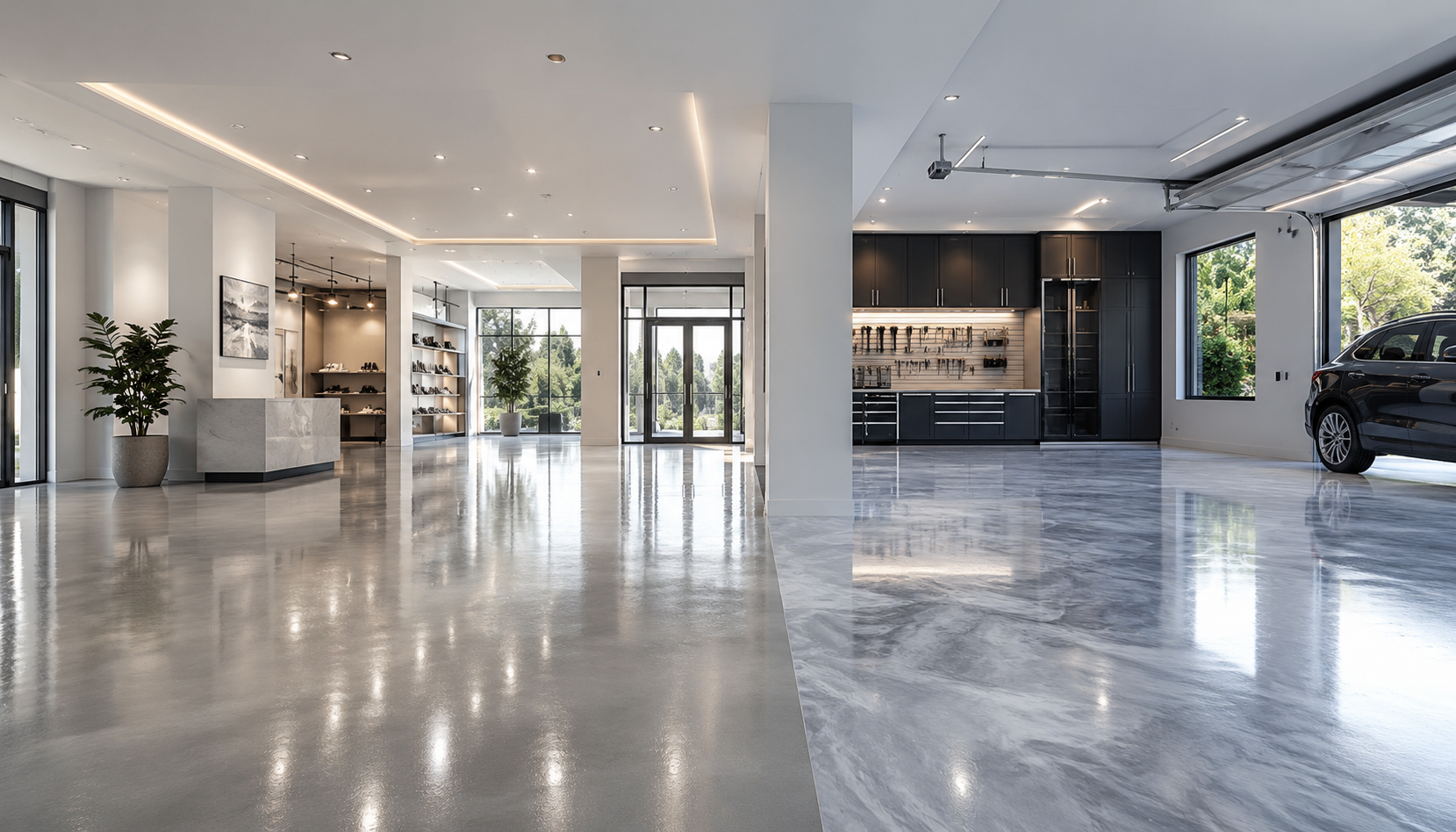
When homeowners and businesses search for general flooring in Cherry Hill, NJ, they are often weighing more than appearance. They need a floor that fits the building, stands up to its daily use, and can be installed with a clear plan for disruption and return-to-service. That decision starts with understanding the space, not picking a product from a list.
Showcase Finishing Systems has Cherry Hill roots and serves the wider South Jersey and Greater Philadelphia area. Its current contact page lists an office in nearby Gloucester City. For local projects, that regional focus can make communication and site coordination more straightforward, while the team’s range of systems gives homeowners, business owners, architects, and facility managers one place to discuss several flooring needs.
Start with the building, not the product
A floor that looks right on day one can become a problem after turnover if the substrate, moisture conditions, or use of the room were not properly considered. That is why the first conversation should be about fit: what the floor must handle, what condition it is in, and how the project can be sequenced around daily life or business operations.
For a home in Cherry Hill, the questions may include whether the project involves a garage, basement, entry, or tiled living area. For a commercial space, the discussion may include foot traffic, wheeled equipment, cleaning routines, wet areas, and the hours the business can be closed.
Before discussing finishes, consider:
- Substrate condition: Is the existing concrete sound and stable? Are there cracks, old coatings, uneven areas, or signs of previous repairs?
- Moisture: Has the slab been evaluated for moisture concerns? A new surface does not solve an underlying moisture problem.
- Building age and exposure: Is the floor in an older building, a below-grade room, or an entry exposed to rain, snow, and seasonal temperature changes?
- Daily use: Will the floor see vehicle traffic, athletic activity, food service, heavy foot traffic, or frequent cleaning?
- Schedule and access: Does the work need to be phased? When does the space need to return to service?
- Ownership after installation: What cleaning methods, maintenance routines, or future repairs should be planned for?
Slowing down to answer these questions can prevent an expensive mismatch. A system selected only for its appearance may not be suitable for the substrate or operating conditions.
A local contractor with a broader system range
“General flooring” can mean different things to different customers. Some are looking for a residential upgrade; others need a commercial or public facility floor that can withstand demanding daily use. Showcase’s service range covers specialty systems for both types of projects, including:
- Epoxy and resinous flooring: Seamless systems for spaces where durability, cleanability, texture, or chemical exposure are part of the project requirements. See epoxy resinous flooring.
- Polished and sealed concrete: A way to work with an existing concrete slab when its condition and finish goals make it a suitable candidate. Review polished and sealed concrete services.
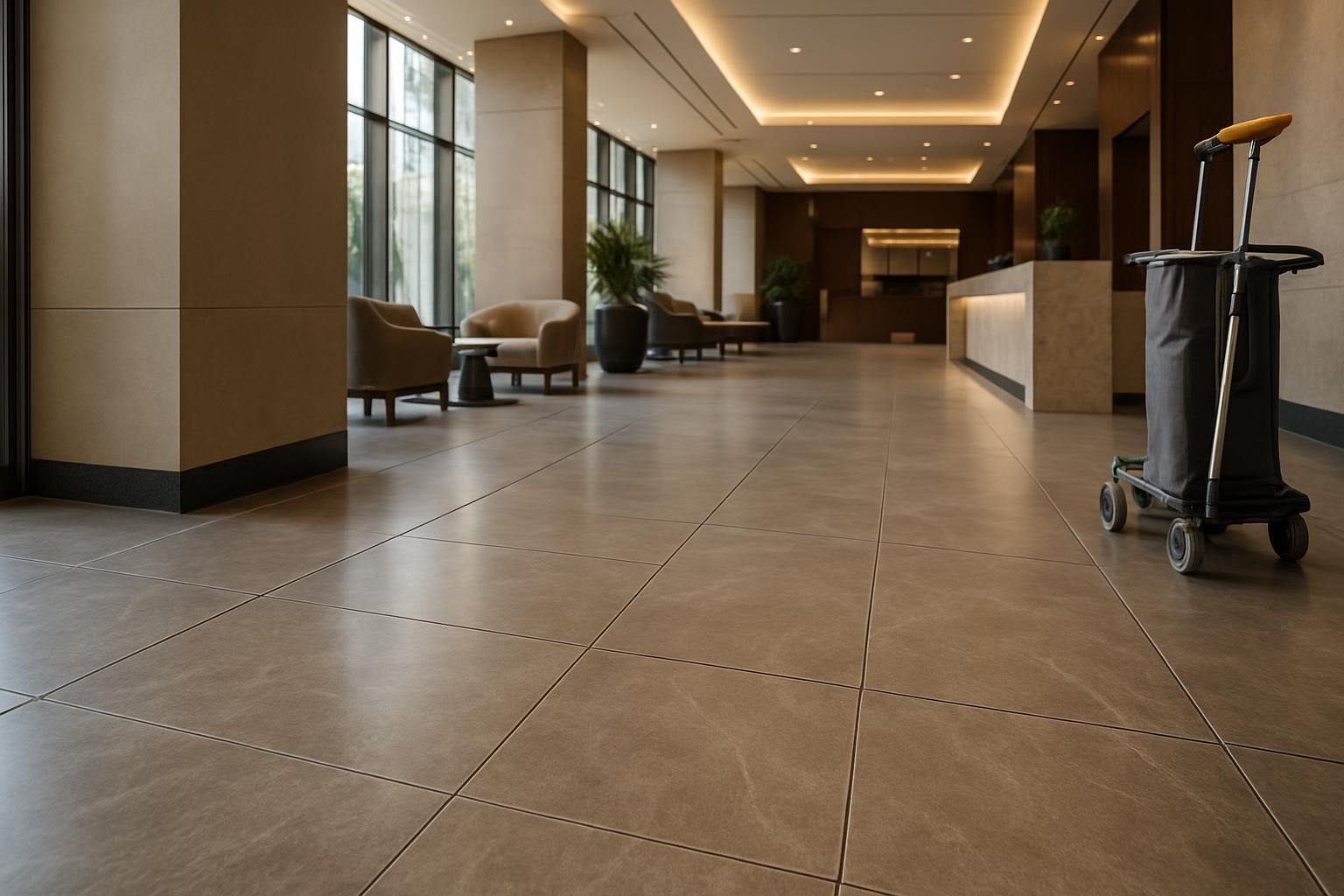
- Tile and stone: Useful for areas where layout, water management, transitions, or design detail matter. Explore tile and stone installation.
- Self-leveling polished overlays: An option to consider when an existing slab needs a new polishable surface, subject to evaluation of the underlying concrete and project needs. Learn about self-leveling polished overlays.
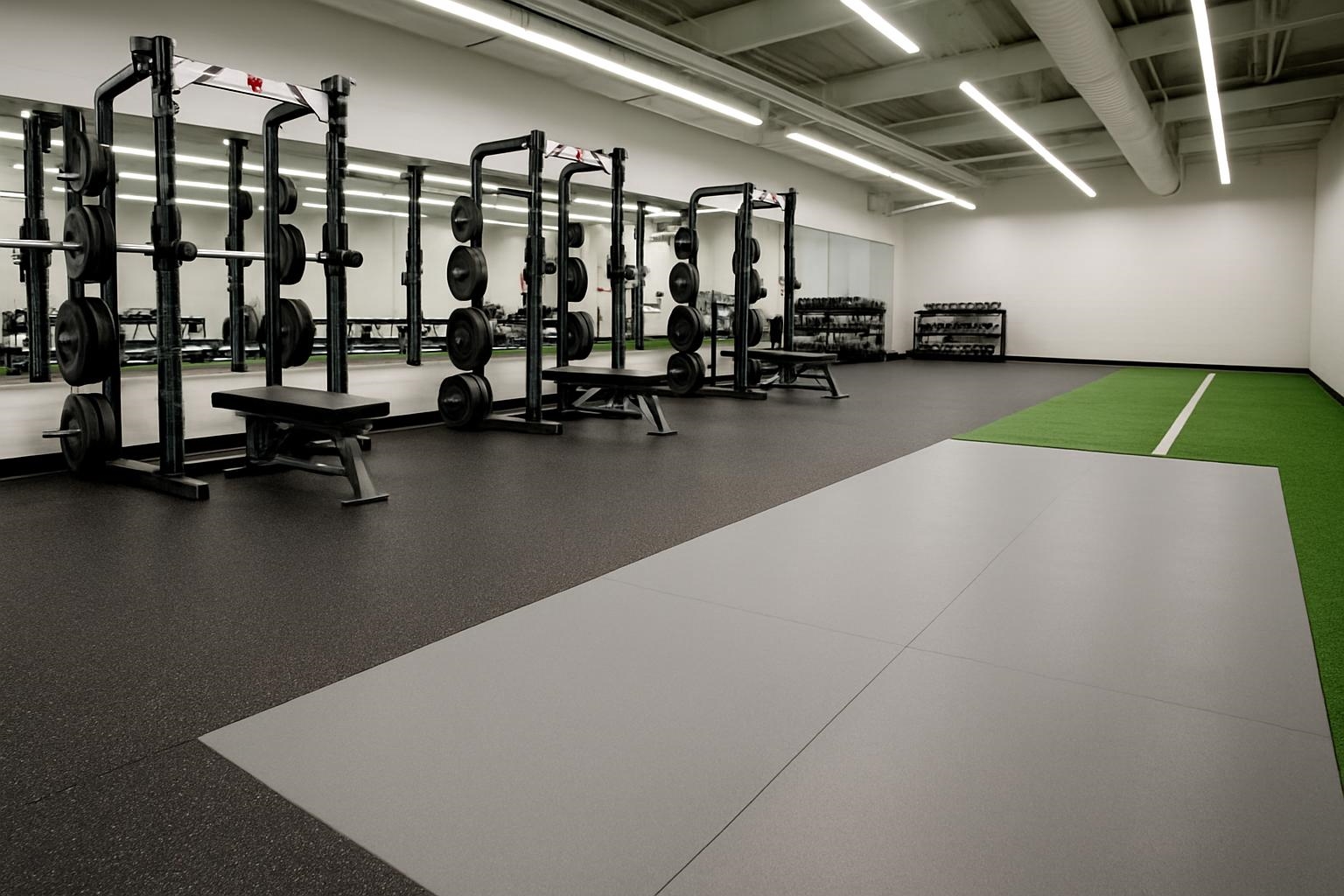
- Sport and athletic flooring: Systems selected around the activities, movement, and performance expectations of the facility. See sport and athletic flooring.
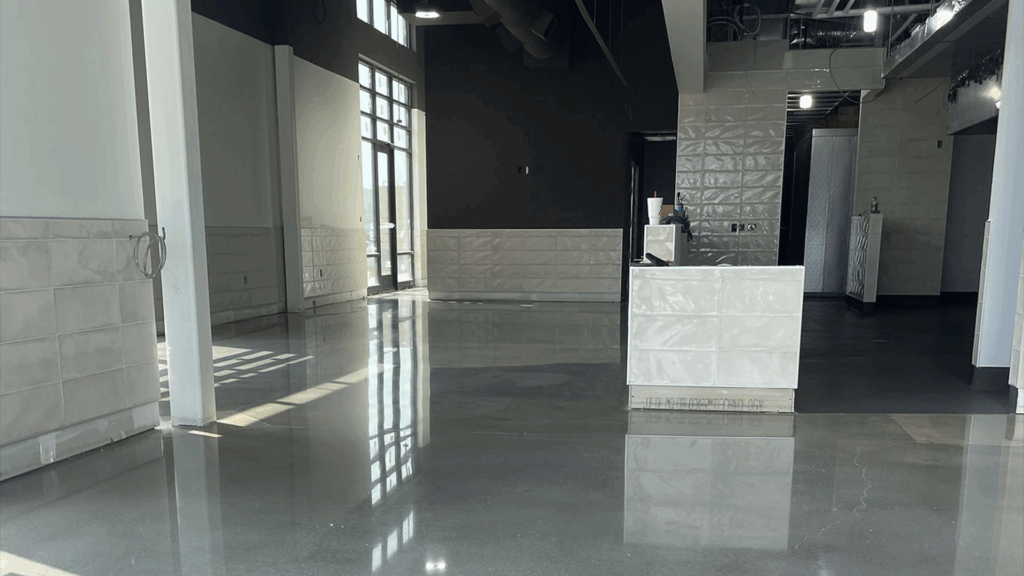
The range matters because there is no single best floor for every zone. A restaurant, for example, may need different finishes in dining, service, and wet areas. A home may call for a resinous garage floor and tile in a separate space. Comparing options in context helps avoid choosing a system for the wrong reasons.
What distinguishes a specialist from a generic provider?
A general contractor or flooring provider may offer a broad menu, but specialty flooring depends on the details beneath the finish. Preparation, substrate stability, moisture management, transitions, and installation sequencing can all affect performance.
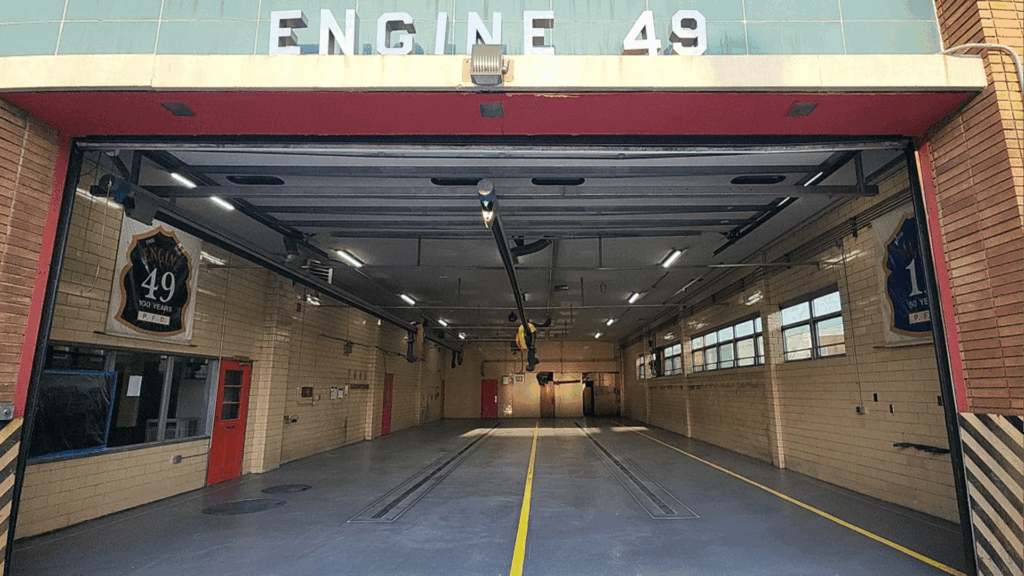
Showcase’s approach is to match the system to the conditions and coordinate the work around the project. The company reports more than 50 years of combined installation experience and works across residential, commercial, industrial, and public-sector environments. Its project portfolio offers examples of completed work, including a polished overlay and tile installation at Honeygrow Restaurant and a resinous flooring system at Engine 49 Fire Station.
Material selection is another part of the conversation. Showcase works with suppliers including Sherwin-Williams, MAPEI, and Schluter-Systems. These are not interchangeable product labels; each system has requirements and intended uses. The important question is whether the specified materials suit the substrate, exposure, finish expectations, and maintenance plan.
From site review to return-to-service
A dependable flooring project is built on sequencing, not speed alone. Rushing past assessment may save time on day one but create delays after turnover if the surface fails or needs corrective work.
A practical process includes:
- Define the project goals. Identify the floor’s purpose, the desired appearance, traffic patterns, cleaning routine, and operating schedule.
- Review existing conditions. Examine the substrate, visible damage, transitions, moisture concerns, and any existing floor covering or coating. Testing or additional evaluation may be needed depending on the site.
- Compare suitable systems. Discuss performance and trade-offs (such as texture, appearance, cleanability, preparation needs, and cure time) before settling on a specification.
- Plan sequencing and access. Establish work areas, phasing, and realistic cure and return-to-service requirements. A rapid schedule is only useful if the floor is ready for its intended use.
- Agree on care expectations. Review cleaning practices and maintenance so the finished surface can be managed appropriately after handover.
For local owners, the benefit of a nearby service area is not a promise of instant availability. It is the opportunity to coordinate with a contractor familiar with the South Jersey market and able to discuss site conditions, logistics, and scheduling with the project team. That is especially useful when renovating an occupied business or planning work around household routines.
Common flooring mistakes to avoid
Even a premium product can underperform when the project plan overlooks basic conditions. Watch for these common missteps:
- Choosing a finish before checking the substrate and moisture conditions.
- Assuming polished concrete or an overlay will hide every slab defect.
- Selecting a floor by appearance alone, without considering traffic, slip needs, or cleaning methods.
- Setting a return-to-service date without accounting for preparation and cure requirements.
- Treating maintenance as an afterthought rather than part of long-term ownership.
A floor decision that holds up after turnover
The right flooring choice is a conversation about fit: the fit between the system and the substrate, between the finish and the building’s use, and between the work plan and the owner’s schedule. For Cherry Hill homeowners and businesses, Showcase Finishing Systems brings a broad selection of specialty flooring services, premium material partnerships, and a South Jersey project focus to that conversation.
Start with the conditions you know: building type, current floor, visible concerns, traffic, and timing. Then compare options with the people responsible for the space. To discuss a residential or commercial project, contact Showcase Finishing Systems with those details and review the relevant flooring services before choosing a system.